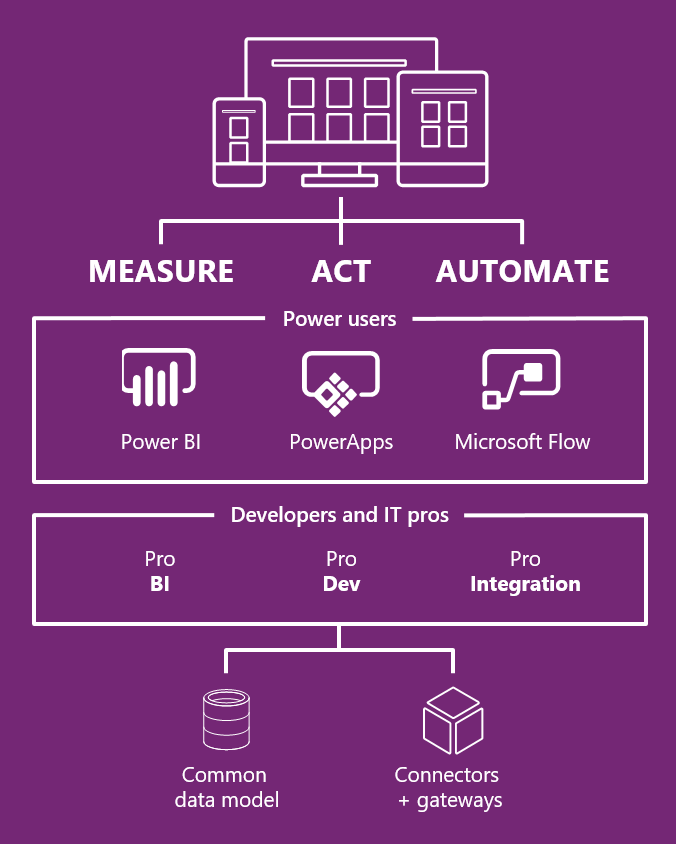
Microsoft Common Data Model (CDM)
After the announcement of Dynamics 365 published a few weeks ago at the WPC, we were left wanting more information about the practical complementation of the solutions announced there. Personally, one of the ones that interested me most was the Common Data Model (CDM), announced as a common data model that would allow sharing entities and data between the applications that make up the Dynamics 365 package, current enterprise applications (NAV, the new AX, CRM Online, etc.) and new solutions that partners and customers could develop on this new framework.
Today more details about this common data model have been published through the following announcements (for example):
- Microsoft Common Data Model preview available for PowerApps
- Microsoft Flow and the Microsoft Common Data Model
It’s worth reviewing them because they include several very illustrative videos on the subject.
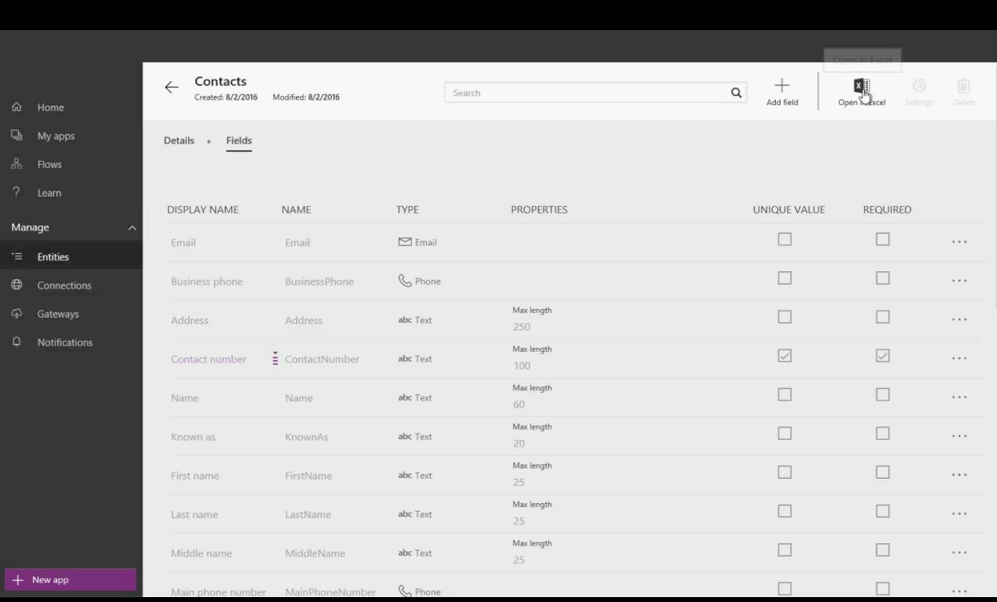
Common Data Model - Entities
In these articles it’s confirmed the idea that the CDM will be an independent data repository that all parts will integrate with. The concept is similar, among other things, to the Entity Store that we talked about a few months ago for AX 2012 R3 and the data mart created by financial reporting tools like Management Reporter. It’s reasonable to expect that all these solutions will converge in a common data warehouse capable of modeling all business areas and on which the rest of applications and future solutions are based. A common DW would be the perfect source of data for business intelligence systems like Power BI or prediction tools like Cortana Intelligence.
As I say the videos linked in the previous post are very interesting as they show us examples of how the entities are displayed in the PowerApps system and how to create both new entities and applications that use them. You can also see general features such as the ability to easily export and import data from these entities with the Excel integration. It’s a very interesting introduction.
Common Data Model - Entities
More information of course at Microsoft PowerApps.