
Microsoft Dynamics 365 for Operations
Table of contents
I bring you a summary of everything that has been announced over the past weeks about Microsoft’s plans to unify its business platform under a single umbrella, both in terms of marketing and architecture, as they already announced several months ago.
It took me a while to be able to write this article, and in the meantime many other things have been announced that are related to Dynamics 365, so I’m going to make a summary of all of them since we’re going to talk a lot about these topics in the coming months and this is a good starting point. After all, all this has been announced over the past weeks but general availability starts today November 1 :)
Microsoft Dynamics 365 for Operations
Of course the main news is the launch of the Dynamics 365 platform (which includes AX, NAV and CRM) and specifically Microsoft Dynamics 365 for Operations which is the final name of the product we’ve called Rainier (project name), AX 7 (version number) and lately “the new” Dynamics AX. No more strange names, but also no changes to the product immediately. Dynamics 365 for Operations is the final name of the current version of AX 7, for now it’s the same product, and from here on the evolution that lies ahead begins. The official presentation of Dynamics 365 took place a few weeks ago during the AXUG Summit community event, and is summarized in the following video (and many more on the Ignite channel on Youtube):
From this event there is a lot of information on the Internet, where we were told about long-term plans for the platform including as always options for devices (Mobile First) and business intelligence with Cortana Intelligence Suit. Many images and articles have been published in the press and specialized blogs, I just leave you a sample :)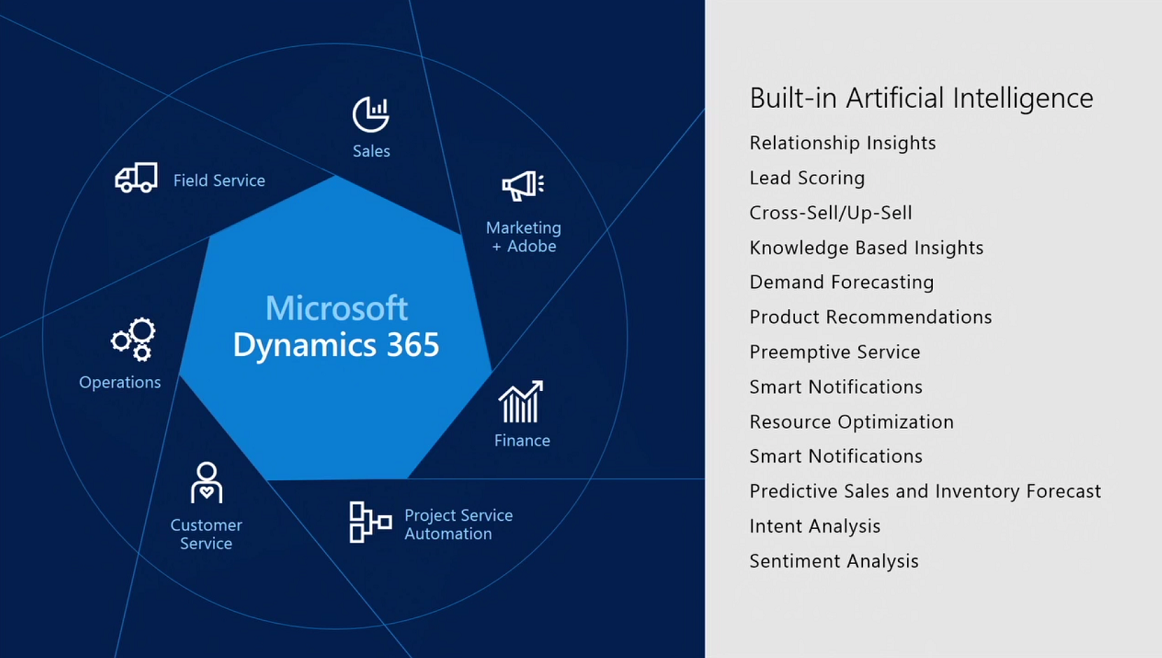
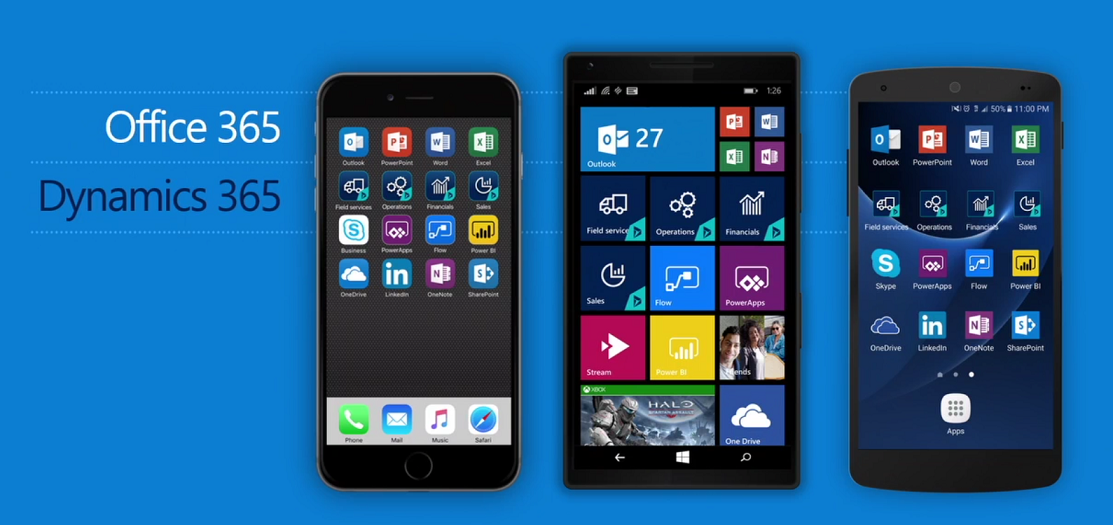
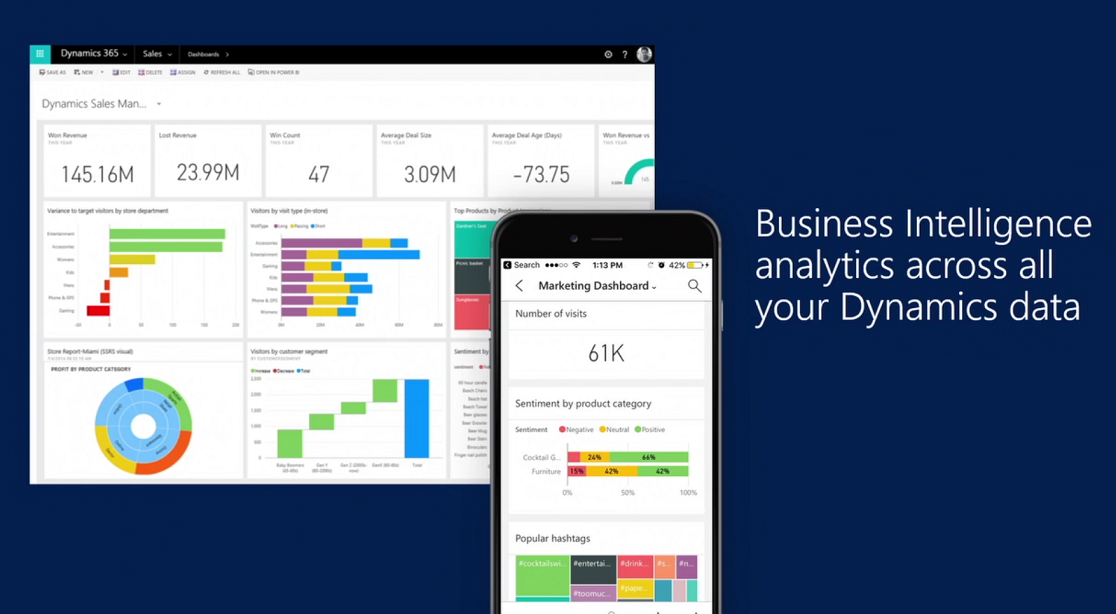
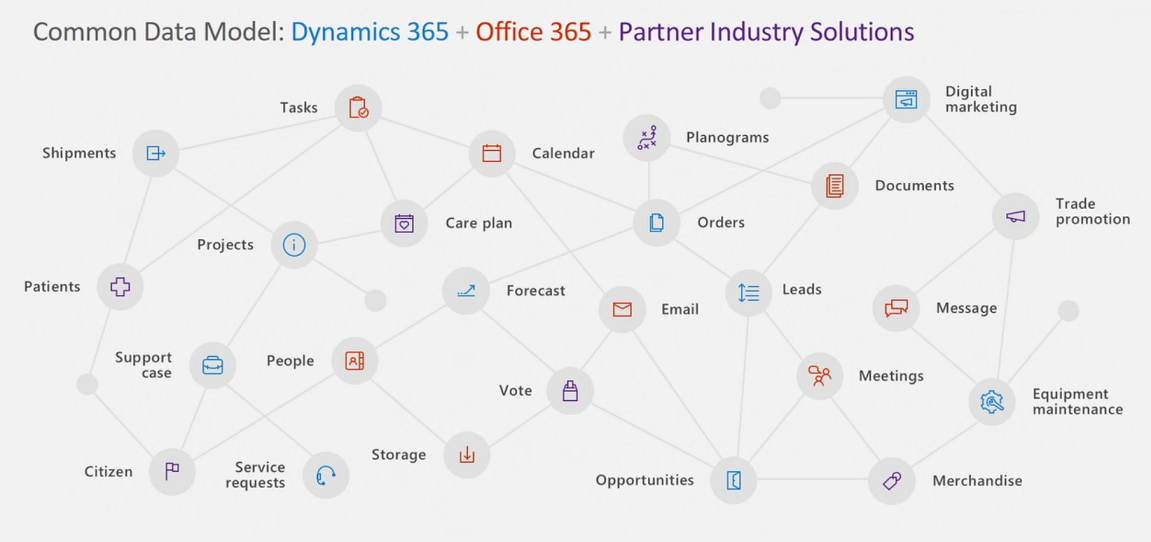
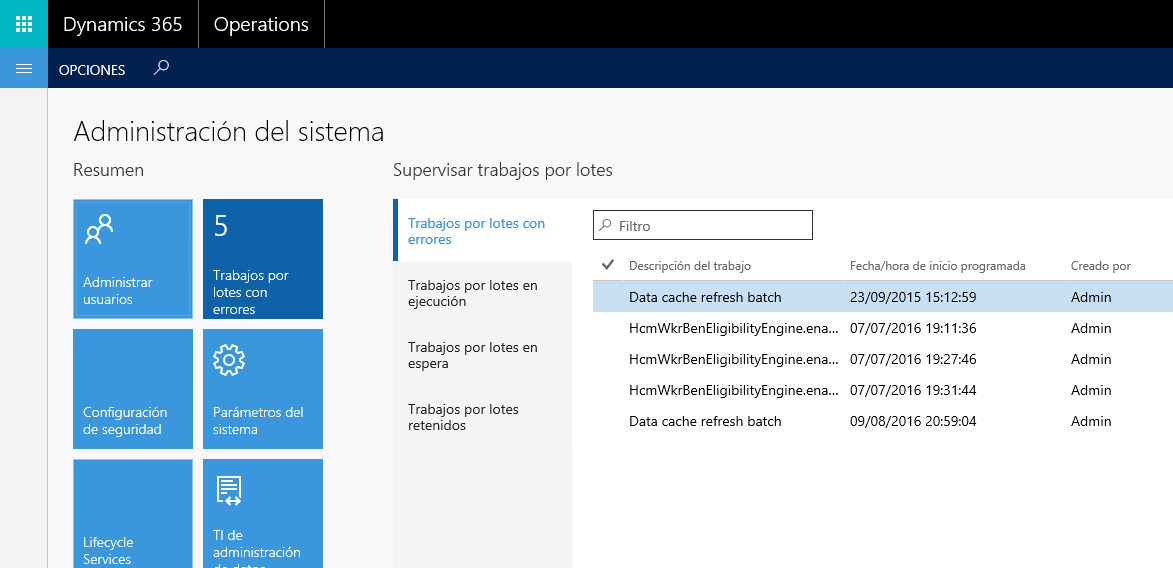
Although until a few days ago D365 was still not available, this name change was done as part of the latest platform update (what we would call version 7.3, or platform update 3, or the November revision, …) and which brings more news that can be seen here:
- What’s new or changed in Dynamics 365 for Operations platform update 3 (November 2016) This article only shows the changes at the platform level (including the name change), but does not include the functional changes published in version 1611 (also in November). To always have updated information, the best thing is to save this link:
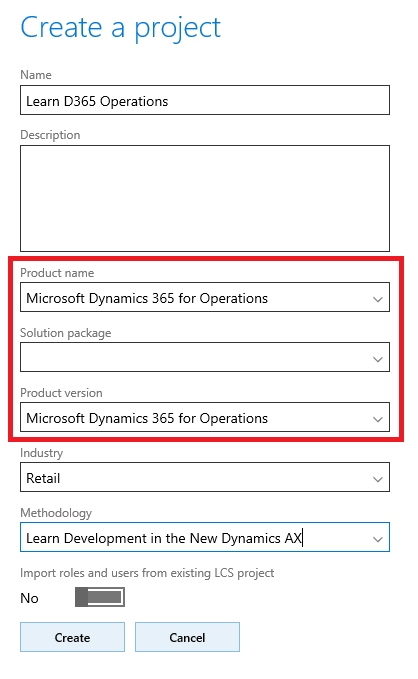
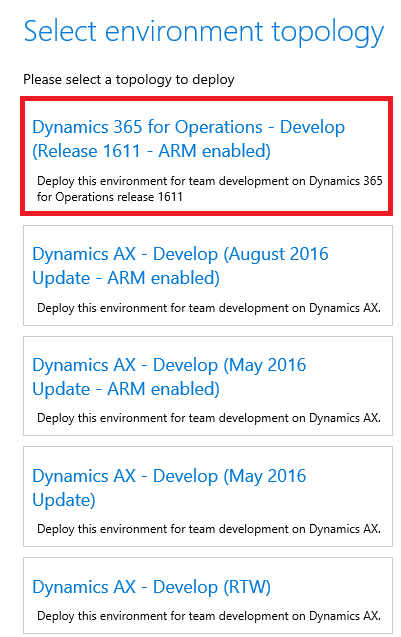
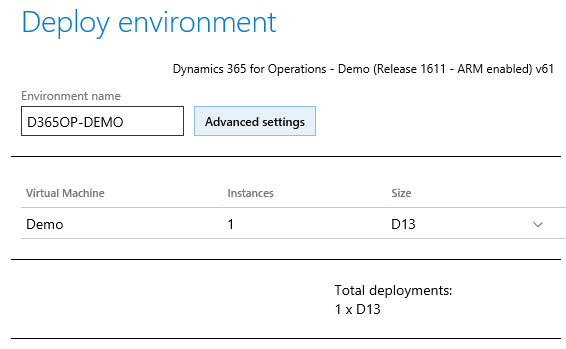
- Dynamics 365 for Operations Help Wiki - What’s new or changed The new version is already available, both for creating projects and for deploying them on Azure from LCS, including deployment with Azure Resource Manager (ARM), which is increasingly supported in each version and will eventually be the only way to deploy environments.
Microsoft Dynamics 365 Roadmap
Another interesting novelty during the past WPC is that the new dynamic roadmap was announced (finally), so customers, partners and product teams can have a future plan aligned with the functionality that is planned to be implemented, those that are already implemented and those that are currently being worked on. This is something that has been requested for some time and will make life much easier for all of us:
- Microsoft Dynamics 365 Roadmap There’s a very interesting session about the Dynamics 365 Roadmap at Ignite that can be seen in the following link:
Home.Dynamics.Com
Also announced today is the new Home for the Dynamics 365 suite as a whole, from where we can access all the applications we have installed on this platform, including of course Operations (AX), Sales (CRM), etc., but also external applications developed using PowerApps.
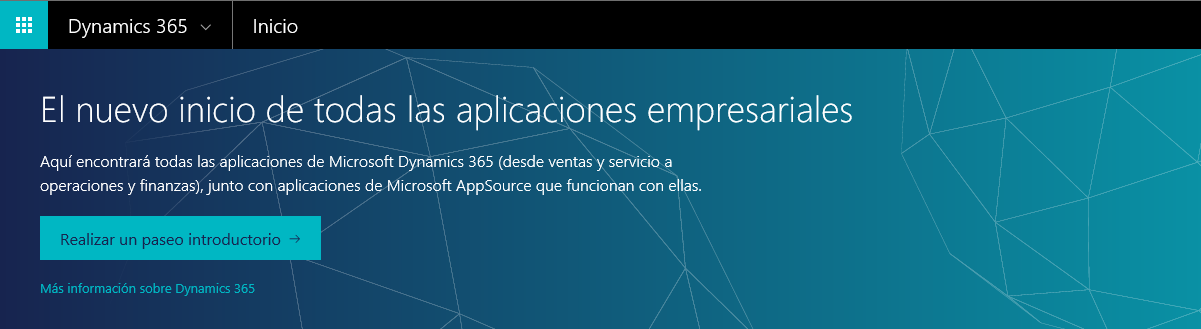
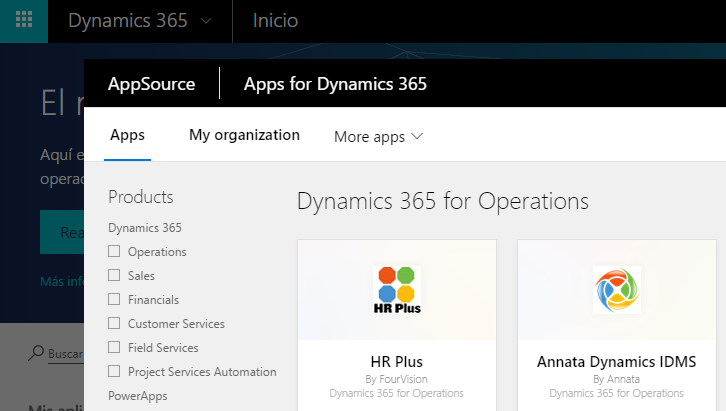
More information about the new Home on the launch blog:
Microsoft Dynamics 365 On-premises
One of the most eagerly awaited news in recent weeks is the announcement that Dynamics 365 for Operations (AX) On-premise will be made available, that is, using our own servers. Despite the fact that the only way to maintain a purely offline environment without any connection to Azure is to continue with AX 2012, the possibility of using Dynamics 365 in a hybrid model has been announced, where some components will run on Azure (some by obligation, since they depend on other services that are only available on Azure like Power BI or Cortana Intelligence), while others run locally, naturally and supported by the product team.
The biggest change from what we’ve heard so far is that, although this hybrid environment can be deployed on Azure Stack (no confirmed release date yet), it won’t be mandatory to use it. It’s also interesting that even in the purely cloud version there will be local installation solutions for certain components to work disconnected, such as components for Retail and Warehouse management.
Many more details are not confirmed yet, but what is certain is that the hybrid version is definitely on the roadmap and we’ll know more in the coming months.
More information:
- Microsoft’s true Hybrid Cloud: consistent, not just connected
- Microsoft updates Dynamics 365 Operations (AX7) hybrid deployment plans: Azure Stack no longer required
Microsoft PowerApps and Microsoft Flow
Finally, as of today, the PowerApps platforms are also available, and we can register to try them, for easily creating applications using the new shared data model (CDM), and Flow, for creating workflows between applications including D365.
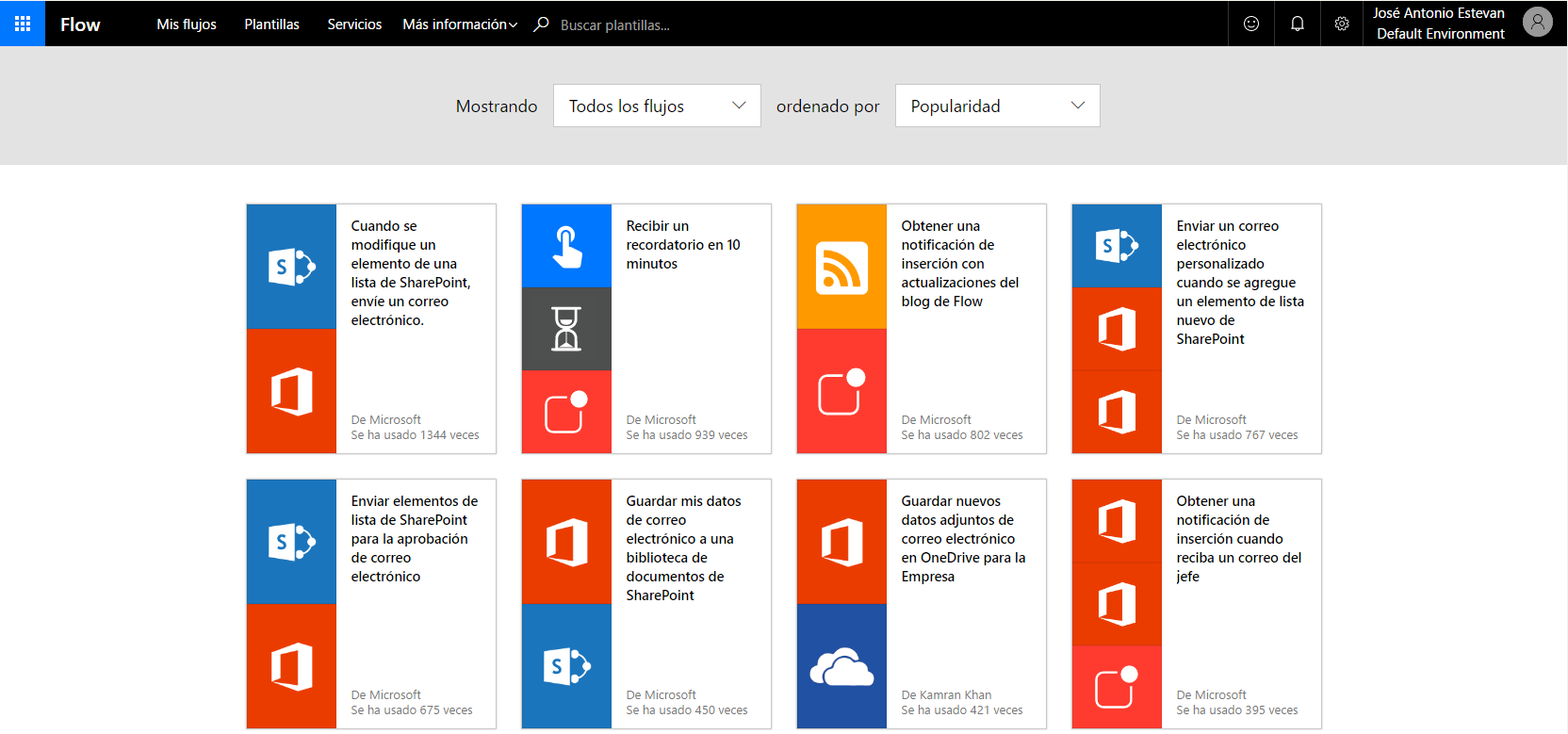
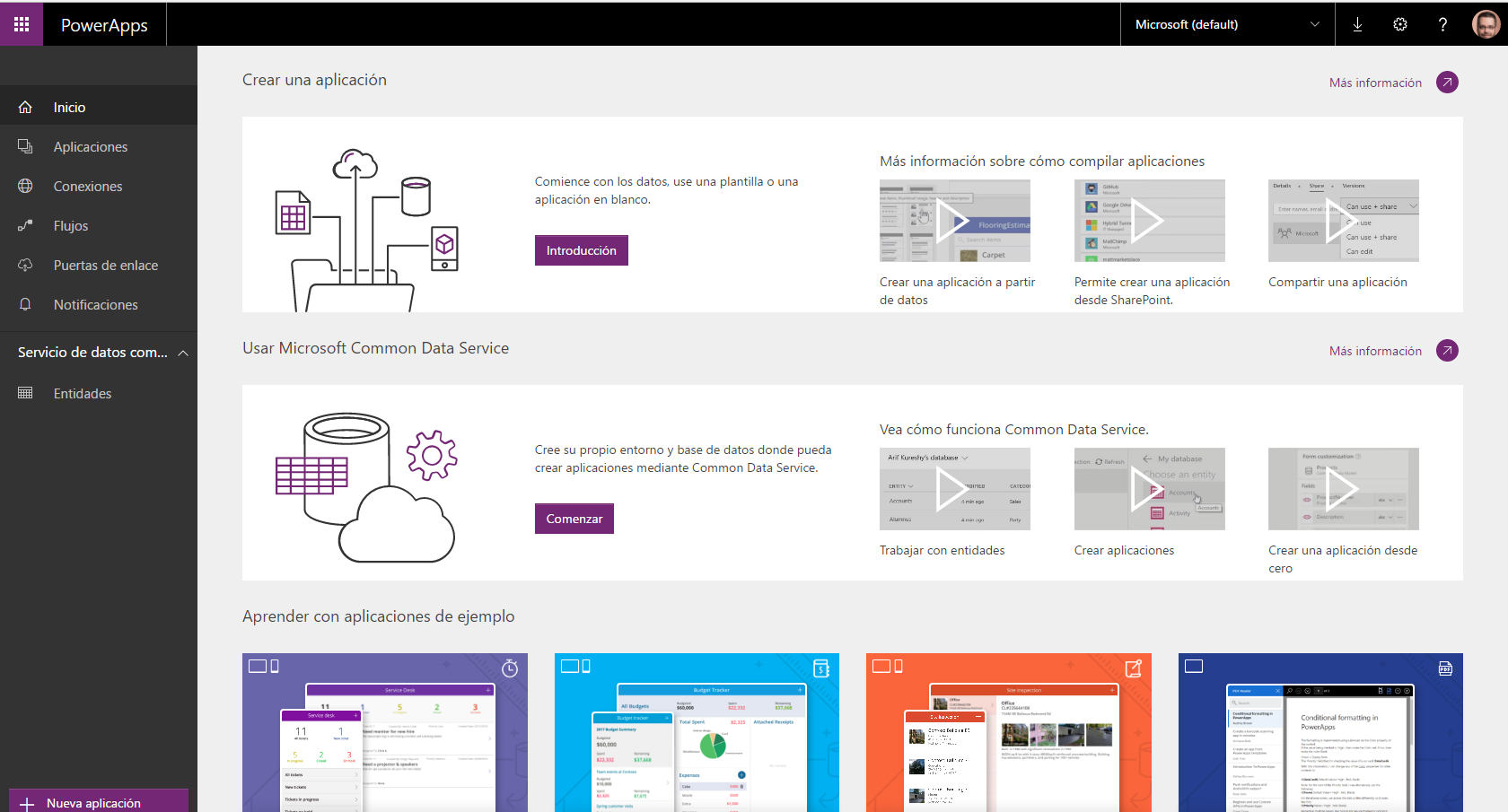
More information in the following links:
- Microsoft PowerApps
- Microsoft Flow
- Announcing the general availability of the PowerApps Common Data Service
- Microsoft PowerApps and Flow are generally available starting tomorrow
It’s been a couple of eventful weeks, and the ones to come :)